
In our brisk-paced cosmos, keeping up with good health has evolved as a crucial aspect. With the rapid upscaling in the genre of technology, wearable health tech gadgets have become an essential part for monitoring our health in real time. These devices actually aid users to keep track of vital signs of the body, check and manage chronic conditions, as well as make smarter lifestyle choices. All of the monitoring is conducted from the comfort of their wrist, chest, or even their clothing. This blog delves into the world of wearable health tech, exploring how these devices function, their real-time monitoring features, and their expanding significance in preventive healthcare.
But before we proceed, it is crucial for us to understand the basic concept of health tech devices. Let’s take a look.
What are wearable health tech devices?
Wearable health tech devices are basically electronic gadgets or devices that you can wear on your body. These devices are strategically designed to collect as well as analyze health-related data of individuals. These categories of health tech devices come equipped with various sensors that monitor various physiological aspects of the human body, such as heart rate, oxygen levels, body temperature, sleep patterns, and even stress levels.
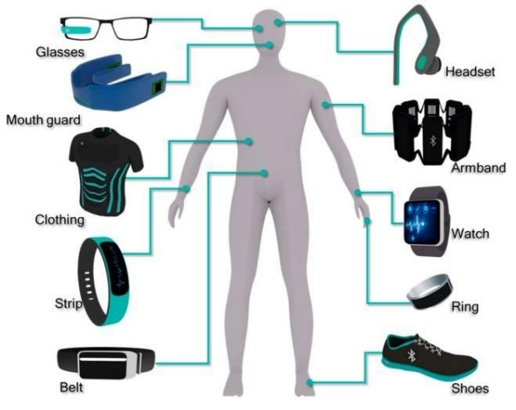
What makes these devices unique, apart from traditional diagnostic tools, is their potential to provide continuous monitoring. This typifies that both users as well as healthcare providers can seamlessly access real-time health data without needing to be in a clinical environment.
Popular types of health devices
1. Fitness Trackers –
Fitness trackers are gaining gradual popularity in the contemporary scenario. Trackers, those from companies like Fitbit and Xiaomi, are probably the most popular type of wearable tech out there. These handy bands usually keep tabs on various body aspects like: –
-Steps taken
– Calories burned
– Heart rate
– Sleep quality
Fitness trackers were initially aimed and designed for fitness buffs. However, they’ve now broadened their reach to comprise general wellness tracking.
2. Smartwatches –
Talking about smartwatches, this genre of versatile gadgets rightly fuses fitness tracking along with real-time health alerts and data. At present, these immensely popular devices can rightly track Atrial fibrillation (AFib), Abnormal heart rates, Blood oxygen levels, etc. With their gradually enhancing acceptance among mass several companies like Apple Watch, Samsung Galaxy Watch are manufacturing the same.
3. Wearable ECG Monitors
Wearable ECG Monitors have proven to be a game-changer for individuals suffering from heart related ailments or those at risk of heart problems. Several devices like the Kardia Mobile from AliveCor helps users gather clinical-grade electrocardiograms or ECGs whenever they need to.
4. Continuous Glucose Monitors (CGMs)
Continuous Glucose Monitors or in short CGMs gaining momentum among people with diabetes. CGMs like the FreeStyle Libre and Dexcom G6 cater continuous blood glucose reading related data to users. These devices empower users to manage their blood sugar levels more effectively, perfectly aiding in minimizing complications.
5. Smart Rings
Smart rings are seamless to wear and a highly beneficial health monitoring device. These rings offer a subtle way to track sleep, heart rate, body temperature, and recovery patterns. They’re stylish, powerful, and perfect for all-day monitoring.
6. Biosensing Clothing
Clothing with built-in sensors—like Hexoskin shirts or Athos gear—can monitor breathing rates, heart rate variability, posture, and muscle activity, making them fantastic for athletes or patients in rehab.
Integrating IoMT with wearable devices
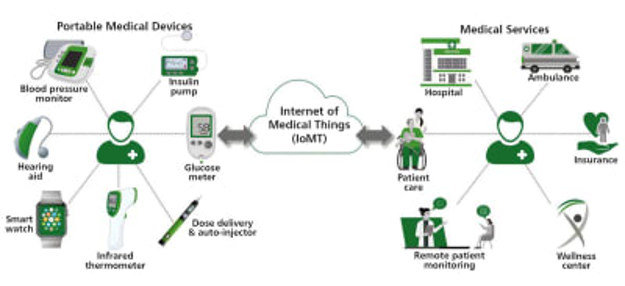
When it comes to wearable technology, it proved to be a game changer in the genre of healthcare. It caters access to real-time data collection and sharing the same with the aid of the Internet of Medical Things or briefly termed as IoMT.
This interconnected loop of the network provides healthcare professionals with the ability to access as well as analyze patient information from a distance. With the aid of IoMT, early detection of health issues has become a boon for many. These devices maintain a close watch on patients and help in crafting personalized treatment plans. Seamless exchange of health-related data not only boosts clinical decision-making but also guides towards the path of better patient outcomes. The tech also supports ongoing medical research.
What is IoMT?
IoMT stands for The Internet of Medical Things. This particular technology can be rightly defined as a network of connected medical devices, software applications, along with healthcare systems that liaise over the internet.
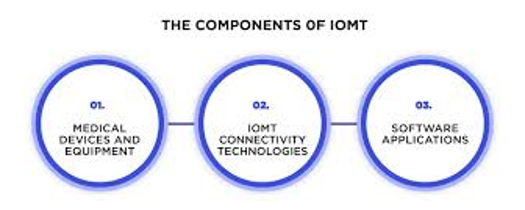
The network encompasses wireless wearables along with remote-monitoring tools that transmit health data with high security, making healthcare services more brisk, agile, as well as driven by data, all outside the usual clinical environments.
Procedure of wearable technology integration with IoMT Solutions
A thoughtful and well-researched approach is what required while integrating wearable technology into the Internet of Medical Things or IoMT especially when it comes to cybersecurity.
Safeguarding sensitive health information is essential for developing trust and encouraging patients to embrace these technologies. By adopting highly secure data protocols as well as ensuring smooth device connectivity, healthcare providers can rightly cater to real-time, data-driven care while safeguarding privacy and also adhering to regulations.
The next step narrates about using leading-edge analytics along with AI algorithms to divulge actionable insights as well as identify patterns that actually assist in making informed clinical decisions. With smartly processed data in hand, healthcare professionals can keep an eye on patient health from afar, customize treatments, and provide more personalized care.
In the end, patients can gain seamless access to their health information through user-friendly platforms. This openness helps to develop a collaborative healthcare experience, empowering both patients as well as service providers to join hands in accomplishing shared wellness goals.
Merits of wearable health tech devices
Empowerment through Information
This technology helps to make critical health metrics seamlessly available, as well as aids individuals the potential to take charge of their health.
Preventive healthcare
Early intervention is what helps the most. This helps to minimize the requirement for reactive treatments, which ultimately saves time, money, and even lives.
Chronic disease management
Wearables are particularly beneficial for those managing chronic conditions, providing updates on a regular basis and minimizing the necessity for frequent doctor visits.
Encouragement for physical activity
With step goals, heart-rate zones, and movement reminders, these devices motivate users to stay active and achieve their daily exercise goals.
Challenges of wearable health tech
● Accuracy issues
While wearables are getting better gradually, attaining the precision of medical-grade devices is still lacking. It’s crucial for users not to depend on them alone for any kind of diagnosis.
● Data privacy
When it comes to stacking and sorting sensitive health data, privacy is a big concern. For these devices, it’s crucial to ensure that data is transmitted and stored securely.
● User dependency
There’s a chance that users might become too reliant on these devices without taking proper advice from healthcare professionals.
We are thriving in a cosmos where the saying prevails, “prevention is better than cure”. It sounds true. Wearables are gradually evolving from mere gadgets into vital companions on our wellness journey, thanks to technology.

